OpinionSatirePhilippines DIY2026
Why You Don't Need Solar Power
Philippines · 2026 · By Solar Panda
Let's be honest with each other. Solar is loud, it's a whole project, and half the people who install it can't stop talking about their "payback period" at every family gathering. You don't need any of that. Here are four completely solid reasons to keep things exactly the way they are.
TL;DR
If you genuinely enjoy an electricity bill that goes up every year, equipment that is entirely someone else's responsibility to maintain, brownouts as scheduled quiet time, and a line item on your bill that even the government wants to remove — solar is not for you. Keep reading, we mean every word of this. Mostly.
1. You have money to burn on Meralco
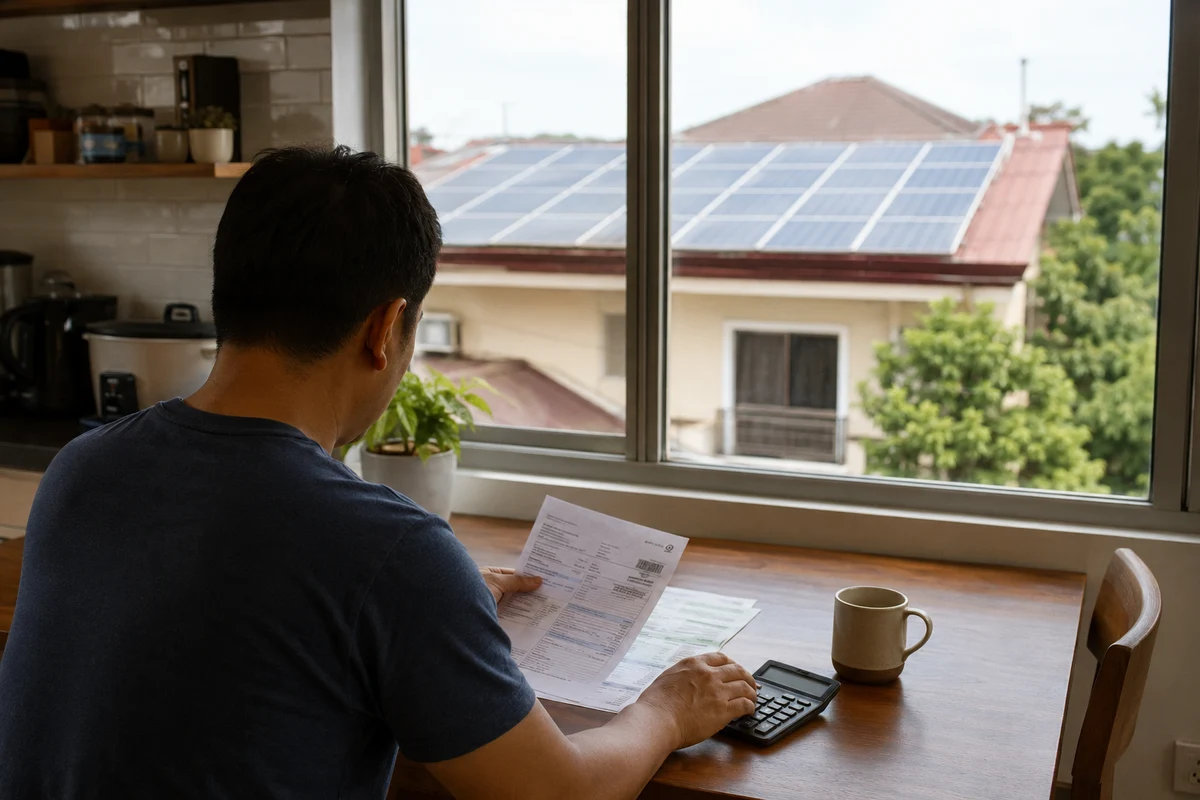
Some people budget. You don't need to. Meralco's residential rate sat around ₱15.4/kWh as of July 2026, and it has moved before and it will move again — and every time it does, you'll just pay it, no questions asked, no spreadsheet, no second-guessing. That's not a burden. That's a lifestyle.
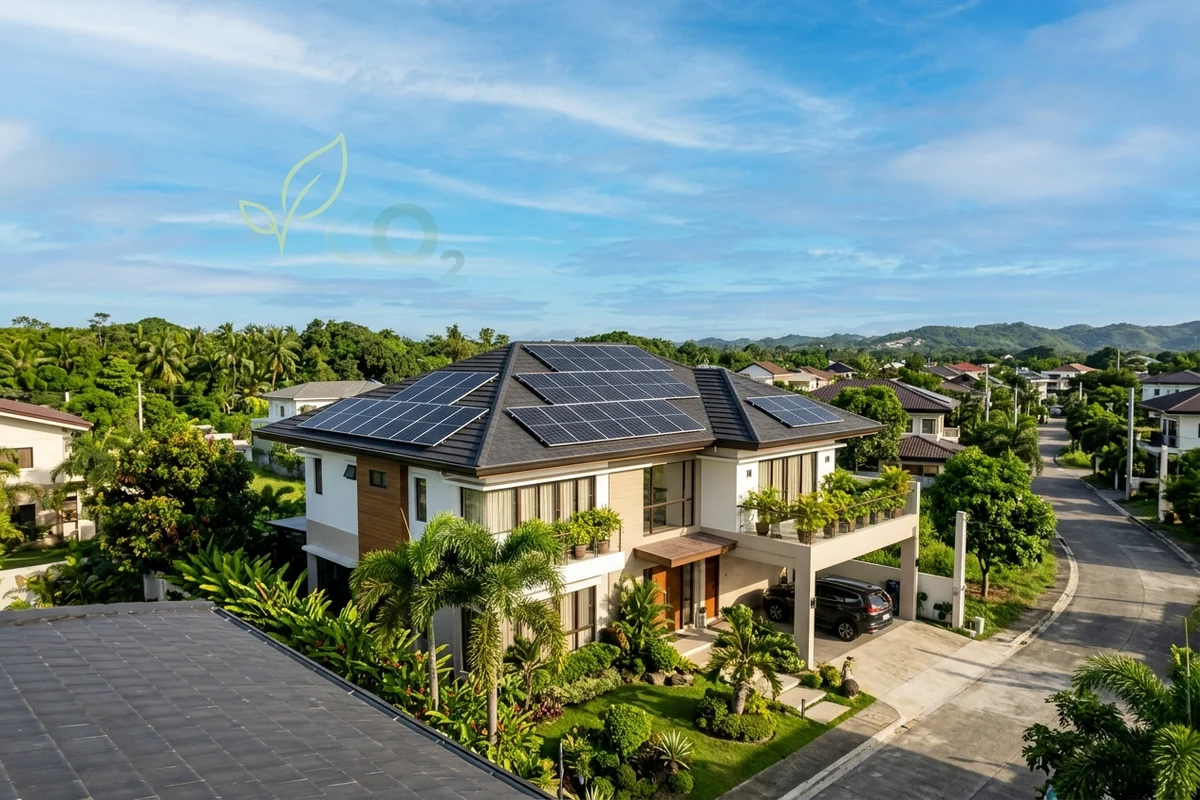
Solar panels, on the other hand, lock in your cost the moment you install them. Once they're paid off — commonly within 3 to 5 years for a typical DIY residential setup — your electricity for that portion of your load is effectively free for decades. Where's the thrill in that? A bill that never changes twice is a bill you'll never get to complain about at dinner. Keep paying full price. It's more exciting.
2. You don't want the responsibility
This is the real one. When Meralco's line goes down, it's Meralco's problem. Their linemen, their bucket trucks, their overtime pay, their headache. You call, you wait, you get power back, and nobody hands you a wrench.
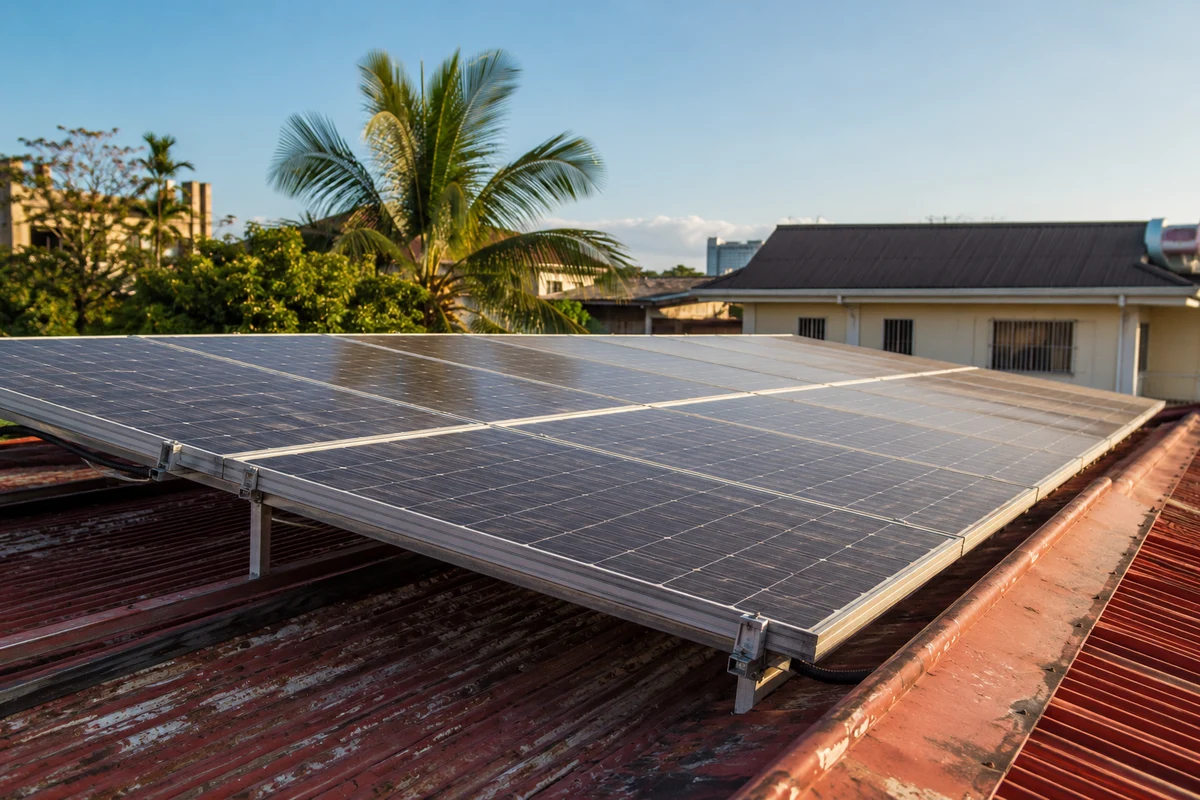
Solar flips that entirely onto you. The panels are yours. The inverter is yours. The battery, the wiring, the grounding, the surge protection — all yours, forever, whether you feel like dealing with it that day or not. Own a system and you own every future problem it will ever have. Keep renting your power from someone else, and every future problem stays exactly where it belongs: on their side of the meter, not yours.
!
This is, unfortunately, also the one honest argument on this list. DIY solar genuinely is a standing responsibility — inspections, occasional part replacement, the works. If you want zero responsibility for your power supply, this reason is real. Everything else on this page, less so.
3. You love a scheduled brownout
There is something almost meditative about the exact moment the lights cut and the whole street goes quiet. No notifications. No hum of the refrigerator. Just you, a flashlight, and the profound realization that your phone is at 11%.
A hybrid inverter with battery backup ruins this completely. The lights barely flicker. Your router doesn't even reboot. You'd miss the entire experience — the group chat asking "may kuryente ba diyan," the candle you forgot you owned, the two hours of forced, uninterrupted boredom that modern life otherwise never gives you. Truly, why would anyone engineer that away.
4. You love paying the systems loss charge — with VAT on top
This is the deep-cut favorite. Buried in every Meralco bill is a system loss charge, capped by law at 8.5% and running closer to 5–5.7% of total losses in practice — the cost of electricity that never even reaches your outlet, lost along the way and billed to you anyway. Then 12% VAT gets applied on top of that, and on top of generation, and on top of nearly everything else on the bill.
Even the government agrees this is a great deal. Earlier this year, Malacañang floated removing the system loss charge and its VAT from consumer bills entirely. You, presumably, said no thank you, I'd like to keep paying tax on electricity I never received. That's commitment.
A solar system generating power on your own roof sidesteps system loss and the VAT stacked on it for every kWh it covers. But then you'd be missing out on paying tax on a number that represents nothing arriving at your house. Some traditions are worth keeping.
Okay, be honest with yourself
If you read all four of those and felt personally attacked instead of validated — that's the point. None of these are actually good reasons. They're the four excuses we hear most often in the DIY groups, said out loud, back to back, so they sound as thin as they are.
The real version: electricity rates trend upward, not down. Equipment responsibility is a real cost, but it's a manageable, one-time-learning-curve kind of cost, not a mystery. Brownouts are not, in fact, a wellness retreat. And a system loss charge with VAT stacked on top, for power that never reached your house, is not a line item worth defending out of habit.
If reason #2 was the one that actually landed for you — the maintenance, the ongoing responsibility — that's a fair concern, and it's the one worth reading up on for real before you decide either way. Start with solar setup maintenance to see what the actual, ongoing workload looks like — it's smaller than the horror stories suggest.
Curious what you'd actually pay, and save
Run your real monthly bill through the calculator and see your own numbers — no commitment, no roof climbing required yet.
Open kW calculatorFrequently asked questions
- What is the systems loss charge on a Meralco bill?
- It's the cost of electricity lost between generation and your outlet — capped by law (RA 7832) at 8.5%, running closer to 5-5.7% in practice — billed to consumers anyway. Philippine VAT of 12% is then applied on top of that charge along with most other bill components. In 2026, Malacañang proposed removing the system loss charge and its VAT from consumer bills.
- Is solar maintenance really a big responsibility?
- It's a real, ongoing responsibility, but a manageable one once you understand the actual workload — periodic inspection, occasional part replacement, and checks after major weather events. It's more of a one-time learning curve than a constant burden. See solar setup maintenance for what the real routine looks like.
- Does solar actually save money compared to Meralco long-term?
- Yes, for the portion of load it covers. A typical Philippine DIY residential system commonly pays for itself in roughly 3-5 years, after which that portion of your electricity cost is effectively locked in for decades, while grid rates have historically trended upward over time.